| GMO IN ORGANIC COTTON |
| Written by Kim Poldner | |
| Sunday, 24 January 2010 | |
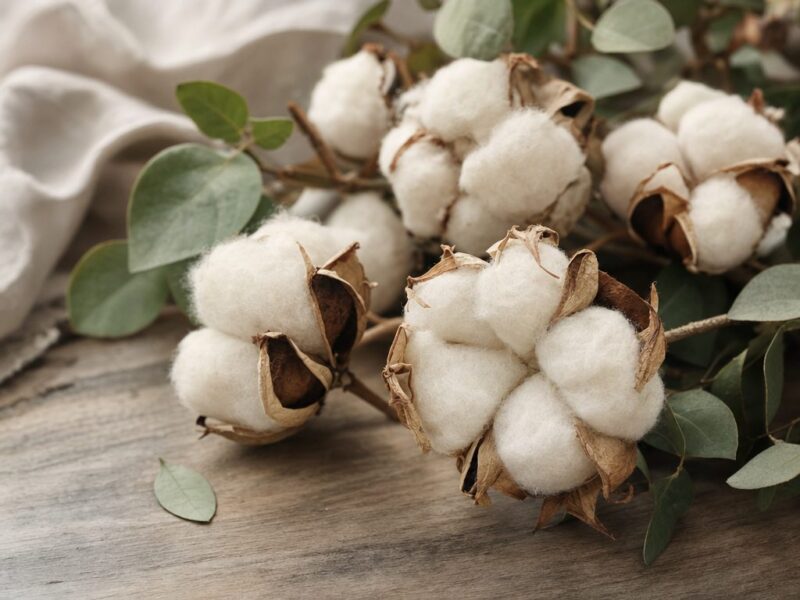
Last week, during Germany’s Fashion week, an article on GMO in organic cotton in the German Financial Times has caused enormous controversy. The article, printed under the banner headline of Label Scandal, claims that German retailers sold India sourced certified organic textiles “knowing that there were traces of GMO cotton in them.” A wide number of retailers and NGOs have cried foul, alleging that they have been misquoted and that the assertions in the article are unfounded, exaggerated or unsubstantiated. Organic Exchange has immediately distributed a press release giving explanations for the case of GMO in organic cotton. The risk of GMO contamination in organic cotton is growing in India where it is estimated that up to 70% of conventional cotton is now produced using GMO seed, but that is also true for all other regions that grow both organic and GMO cotton. Contamination can occur at the farm where GMO and organic crops are grown too close together and cross pollination takes place. The resulting seed on the fringes of the organic cotton crop may then contain the BT gene, which is the most common GMO variety. Organic farming standards deal with this by setting ‘buffer zones’ which specify the distance required between organic and conventional fields. There is no doubt that in India that the widespread use of GMO poses a threat to the integrity of the organic cotton industry, but it is an issue that is being taken seriously by all stakeholders. Opportunities also exist for accidental contamination to occur as the majority of organic cotton is processed in the same machinery as conventional/GMO cotton. However, current product integrity standards require each production plant to be fully cleaned out before a run of organic cotton starts, and there are strict requirements to keep the organic fibre physically separated and independently tracked, so that there is no chance of commingling or confusing with conventional fibre. One thing that is important to note is that ‘organic’ is not a purity claim: rather, when a crop is grown organically, it means that the farmer has followed all the principles and systems of organic farming. In some cases, a very small amount of contamination may occur due to factors outside of the farmer’s control. Certifiers conduct tests on plant, seed or soil to ensure that any pesticide residues and/or GMO’s are below a fine tolerance, and do not indicate deliberate fraud or carelessness on the part of the farmer. In order to counter this threat a number of organizations are actively looking at organic integrity issues, both in India and globally, and there is research underway to identify system weaknesses and address them proactively. The Financial Times article accuses members of the industry of deliberately withholding information about GMO’s. The perspective of organizations is completely different: Anne Gillespie, Director of Industry Integrity at Organic Exchange, says: ‘Organic Exchange, as well as the other groups named, has always taken organic certification integrity very seriously. We feel that it is very important to do our due diligence before making any public statements that may cause inappropriate reactions. Since the beginning, OE has been very active addressing integrity issues across the entire industry through the development of tools, resources and education and we would hate to see these efforts undermined. We are also aware of actions being taken within India to address some of the core issues facing organic farmers, such as the low availability of non-GMO seed; there are now efforts underway to expand the scale and quality of organic cotton seed production.’ Furthermore, the Financial Times article infers that certain certifiers knowingly certified cotton as being organic when they knew that GMO seed had been used. In fact this was not the case. APEDA, the organisation that regulates organic production in India, sanctioned two certifiers for non-conformities in their certification processes rather than for fraud and both these companies immediately made the needed changes and the sanctions were subsequently lifted. In all systems there is a set of checks and balances, and the fact that APEDA uncovered problems is a much an indication that the monitoring system is working as it is an indication of the problems themselves. It is important to support the continued improvement of regulations, certification and enforcement. Many of the larger brands and retailers now engage at a significant level with their entire supply chains, demanding high levels of transparency and traceability in order to ensure the integrity of their product. The mainstreaming of sustainable sourcing in business is driving this interrogation and it is not unusual for retailers to engage with all tiers of processors right through to the ginners, farm groups and even seed producers. Third party standards now exist that address the use and handling of organic cotton throughout the entire supply chain, and these give companies an effective means of ensuring the integrity of their final product claims. Ultimately the problem comes down to one of intent. The brands and retailers that are leading the way in ensuring the minimization of environmental impact of their sourcing programmes should not be censured if there is some degree of accidental contamination in their product. The beneficial impact of organic farming techniques still applies. Organic farming brings many social and environmental benefits; eliminating the use of harmful and toxic chemicals, reducing the cycles of debt that farmers, particularly marginalized ones in countries such as India, find themselves in, and contributing to healthy ecosystems that benefit farmers and their communities. While GMO contamination is a serious issue that must be addressed, it is important that the majority of farmers who are operating honestly continue to receive support and encouragement.
Set as favorite
Bookmark
Email This
Comments (0)
![]() Write comment
|
| < Prev | Next > |
|---|
| Designer Profile, EcoFashion Pulse, Favorite Things, Store Review, Style Profile |
| Contests/Awards, Do It Yourself, Eco Fashion World TV, Ethical Hotwire, Events, Fashion Lines, Fashion Shows, Faves, Music-Style, New Sites, New Stores, Players, Trends |
| Ethical Hotwire |
|
Dave Egbert's Living Green Radio Talk Show
|
|
| Eco Design
Design that has been created in an environmentally sound way.
Read More |